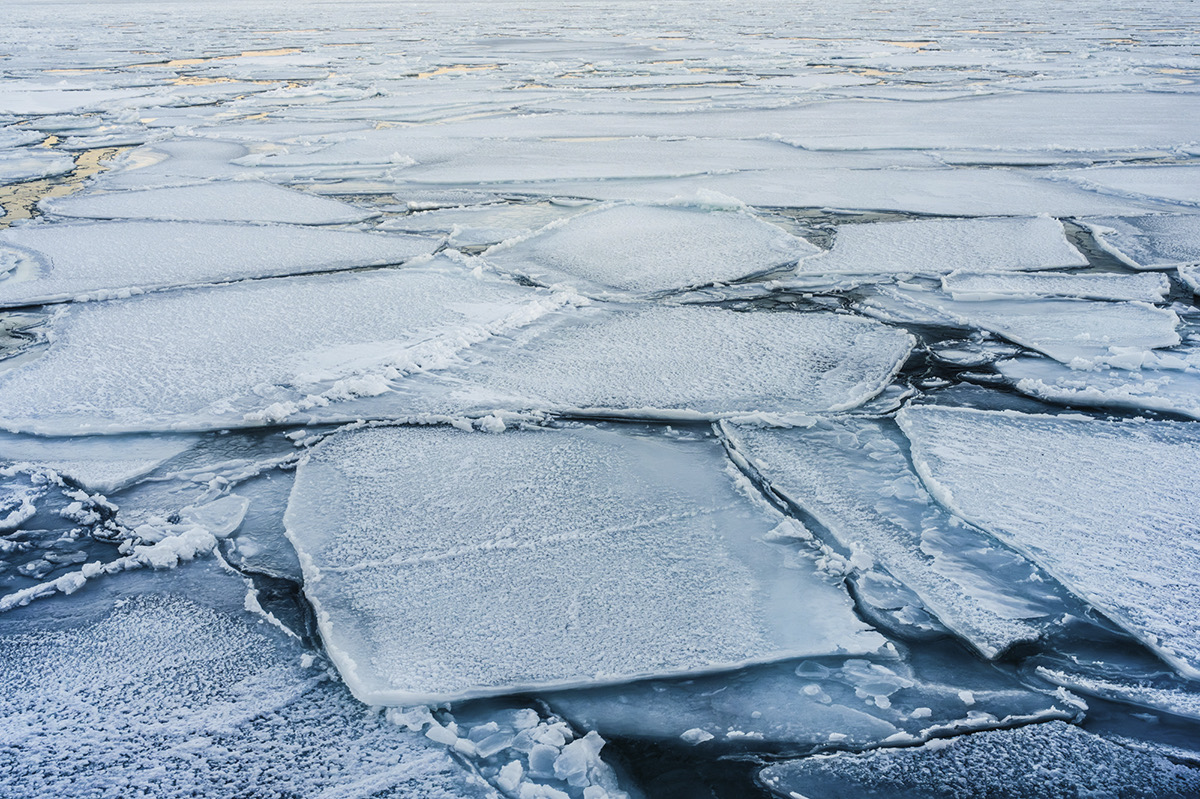
Dopo aver fotografato per decenni le guerre e le loro conseguenze, Franco Pagetti si confronta con una crisi che non ha il volto della violenza, ma quello di una bellezza destinata a scomparire. Nelle distese ghiacciate delle Svalbard, il cambiamento climatico agisce silenziosamente, trasformando il paesaggio e ridefinendo gli equilibri geopolitici di una delle regioni più remote del pianeta. Frutto di due viaggi nell’arcipelago norvegese compiuti nel 2024 e nel 2026, Un infini fragile è la mostra ospitata dal 5 al 28 novembre 2026 alla Galerie Vallois di Parigi che raccoglie la più recente produzione del fotografo italiano.
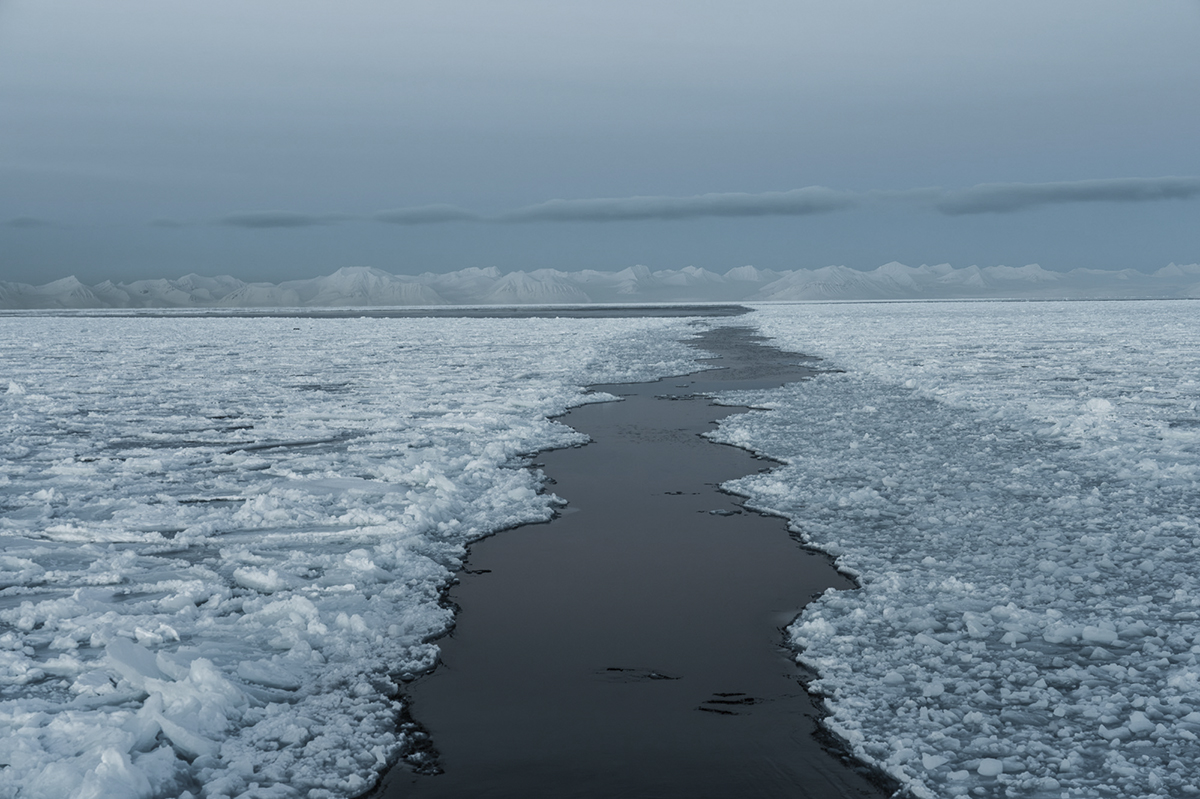
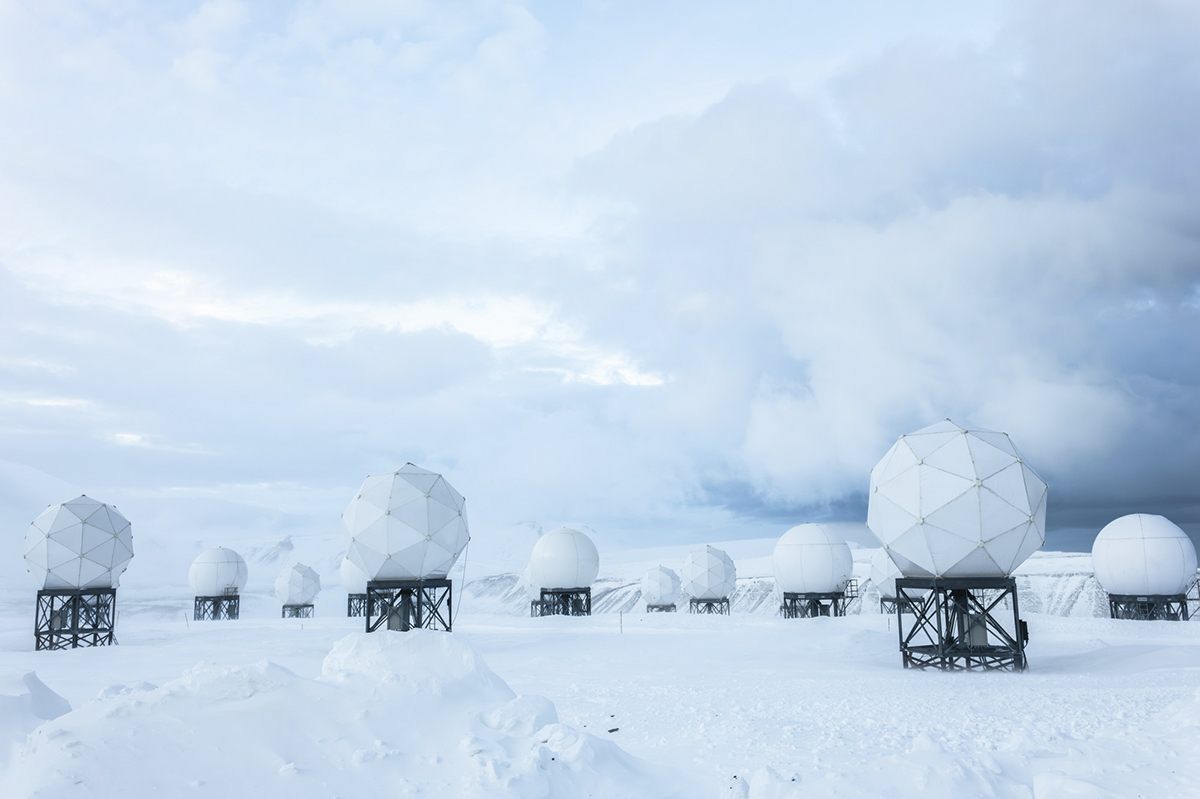
Nato a Varese nel 1950, Pagetti esordisce nella fotografia di moda prima di dedicarsi, dal 1997, al fotogiornalismo. Documenta guerre e crisi umanitarie in Medio Oriente, Africa, Asia ed Europa e, tra il 2003 e il 2008, segue il conflitto iracheno per TIME. Le sue immagini, pubblicate da testate come The New York Times, The New Yorker, Newsweek, Vogue e Le Monde, nascono da un rapporto diretto con le persone e da una vicinanza fisica ed emotiva che ha caratterizzato a lungo il suo lavoro. Alle Svalbard però, si trova di fronte a una realtà radicalmente diversa. L’immensità degli spazi, la quiete e l’incanto dell’orizzonte glaciale lo affascinano e insieme lo intimoriscono. Il rischio, racconta, è quello di fermarsi alla superficie delle cose, lasciandosi sedurre da uno scenario spettacolare senza coglierne la complessità. Come fotografare un territorio di straordinaria fascinazione senza ridurlo a un’immagine estetizzante? La risposta prende forma in una serie di scatti dal linguaggio essenziale, sospesi tra figurazione e astrazione. Le distese ghiacciate dell’Adventfjorden, le fratture della banchisa e le geometrie irregolari delle superfici gelate compongono un repertorio di forme in continua evoluzione. Le linee evocano mappe e segni calligrafici, mentre le masse glaciali assumono una monumentalità quasi scultorea. I bianchi, i grigi e gli azzurri attenuati restituiscono una quiete ingannevole perché ciò che appare immobile è in realtà soggetto a mutamenti incessanti. L’Artico appare sconfinato, remoto, idealmente eterno, ma la sua stabilità è soltanto un’illusione. Il riscaldamento globale sta modificando gli ecosistemi, aprendo nuove prospettive per le rotte marittime e ridefinendo gli interessi economici e geopolitici della regione. Emblematica in tal senso la fotografia dei radome di telecomunicazione di KSAT, strutture che emergono dalla neve come presenze perturbanti. La loro configurazione artificiale introduce nell’ambiente il segno di un’infrastruttura tecnologica, ricordando come anche questi territori remoti siano parte di una rete globale di comunicazione e controllo.
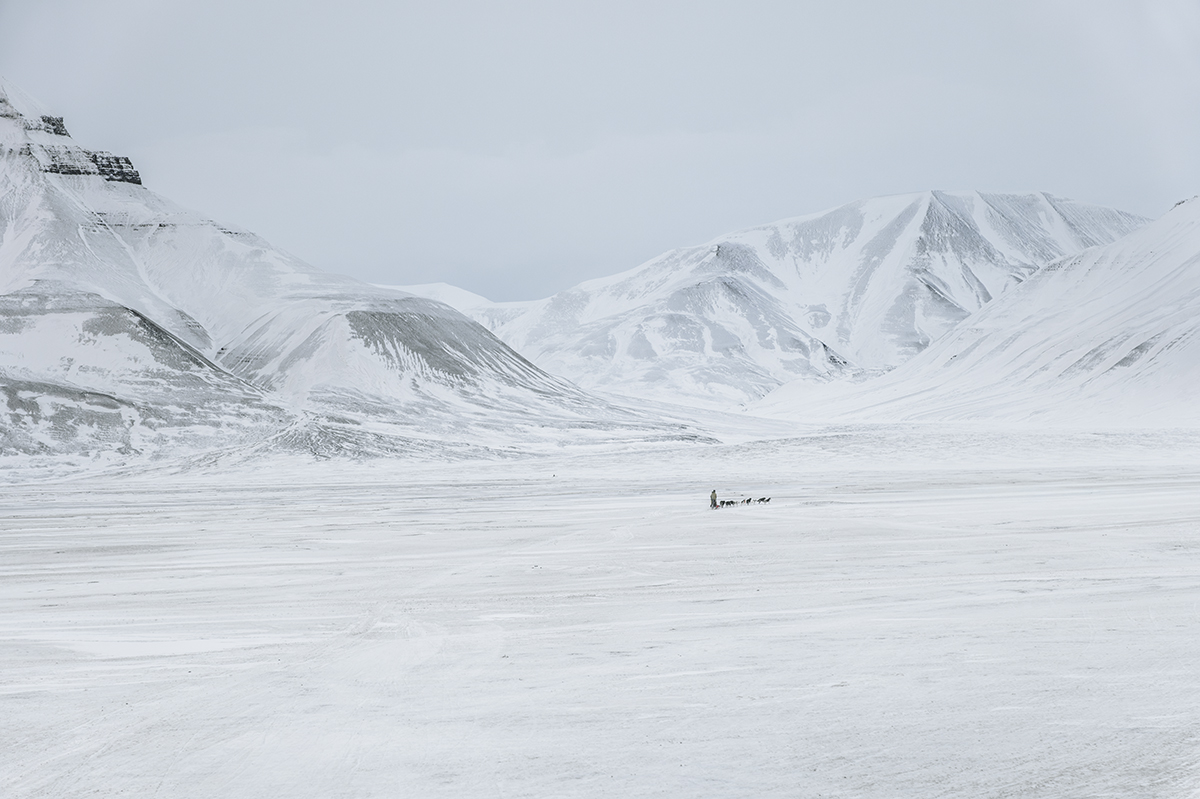
Un infini fragile segna inoltre un passaggio personale nella ricerca di Pagetti, che riscopre il piacere della solitudine e la libertà di osservare, attendere e scegliere a chi o cosa rivolgere il proprio sguardo, senza essere condizionato dall’urgenza degli eventi. La volontà non è tanto quella di abbandonare la dimensione documentaria, ma di esplorarne un’altra possibilità, affidando alla contemplazione il compito di rendere percepibili fenomeni che sfuggono all’immediatezza della cronaca. Dopo aver testimoniato per decenni, con il suo lavoro, la vulnerabilità degli esseri umani, Pagetti ritrova inscritta quella stessa fragilità nella materia del paesaggio che coglie senza l’ausilio di artifici formali, con lo stile asciutto che gli è proprio e che sempre restituisce al soggetto della fotografia la sua irriducibile evidenza.
Franco Pagetti: The Fragile Immensity of the Arctic
After decades of photographing wars and their consequences, Franco Pagetti is confronted with a crisis that does not bear the face of violence but rather that of a beauty destined to disappear. Across the frozen expanses of Svalbard, climate change operates silently, transforming the landscape and reshaping the geopolitical balance of one of the most remote regions on the planet. Un infini fragile, an exhibition of Pagetti’s most recent work, will be on view at Galerie Vallois in Paris from November 5 to 28, 2026. The solo show is the result of two journeys Pagetti undertook to the Norwegian archipelago in 2024 and 2026.
Pagetti was born in Varese in 1950 and began his career in fashion photography before turning to photojournalism in 1997. He has documented wars and humanitarian crises in the Middle East, Africa, Asia, and Europe. He covered the Iraq War for TIME from 2003 to 2008. His photographs have been published in various international outlets, including The New York Times, The New Yorker, Newsweek, Vogue, and Le Monde. They are rooted in his direct engagement with people and his sense of physical and emotional proximity, which has long defined his work. In Svalbard, however, he encountered a radically different reality. The vast open spaces, stillness, and enchanting glacial horizon both fascinate and unsettle him. As he explains, the danger lies in remaining on the surface of things, seduced by the spectacular scenery without grasping its underlying complexity. How can one photograph a place of such extraordinary allure without reducing it to an aestheticized image? The answer emerges through a series of images characterized by an austere visual language poised between figuration and abstraction.
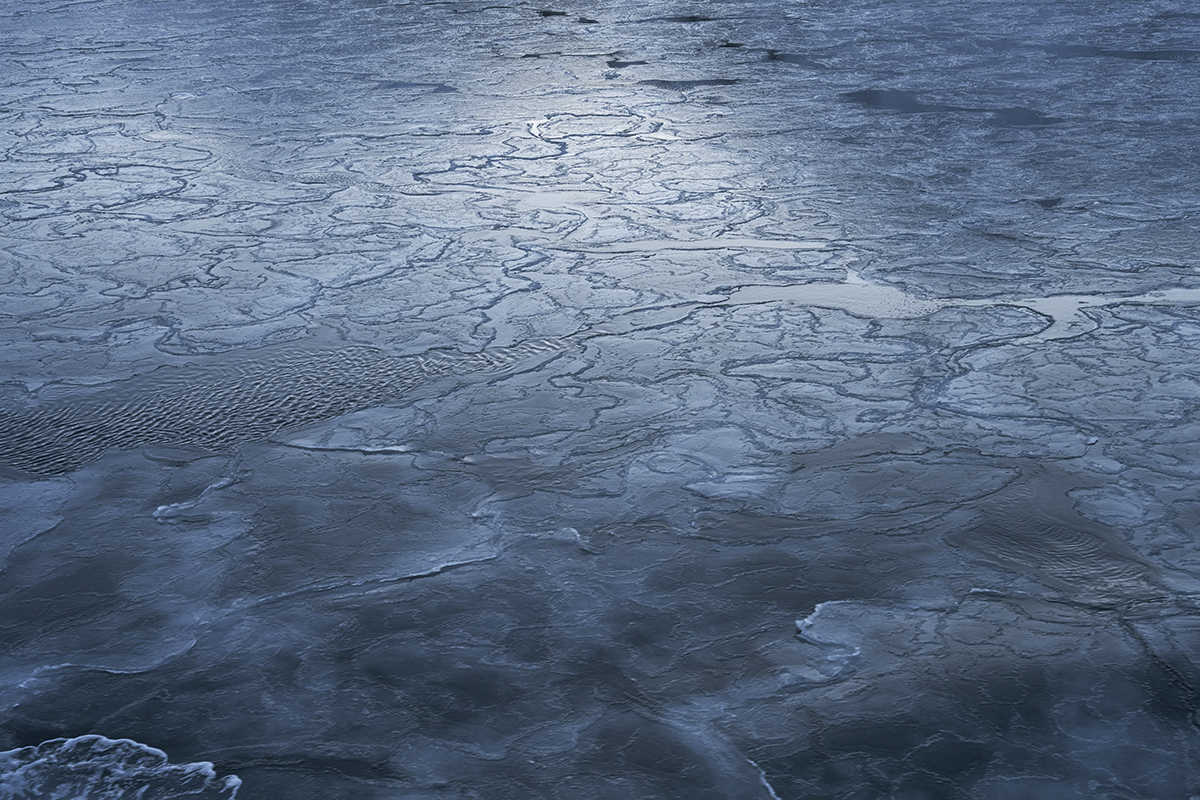
The frozen expanses of Adventfjorden, the fractures in the ice sheet, and the irregular geometries of the frozen surfaces create a constantly evolving repertoire of shapes. Lines evoke maps and calligraphic marks, and masses of ice acquire an almost sculptural monumentality. Whites, grays, and muted blues convey deceptive stillness because what appears motionless is subject to relentless change. The Arctic seems boundless, remote, and almost eternal. However, its stability is merely an illusion. Global warming is altering ecosystems, opening up new maritime routes, and reshaping the region’s economic and geopolitical interests. Emblematic of this change is the photograph of KSAT’s telecommunications radomes, which emerge from the snow like uncanny presences. These artificial structures introduce a visible trace of technological infrastructure into the natural environment, reminding us that even these remote territories are embedded within global networks of communication and control.
Un infini fragile also marks a turning point in Pagetti’s work. He rediscovers the pleasure of solitude and the freedom to observe, wait, and decide where to focus his attention without being constrained by the urgency of unfolding events. Rather than abandoning the documentary dimension of photography, heintends to explore another of its possibilities, allowing contemplation to reveal phenomena that escape the immediacy of news reporting. After decades of bearing witness to human vulnerability, Pagetti now sees the same fragility inscribed in the landscape itself. His spare, uncompromising visual style, stripped of aesthetic artifice, allows the subject to emerge with unfiltered power, revealing the impermanence of what seems immutable.
Cover story: Arctic Geometry, February 20, 2024. Digital photograph. Pigment print on Baryta Prestige 340 gsm paper, 40 × 60 cm. Edition of 7 + 2 artist’s proofs.
________________
Franco Pagetti, Un infini fragile
Galerie Vallois, 41 rue de Seine, Paris
November 5–28, 2026