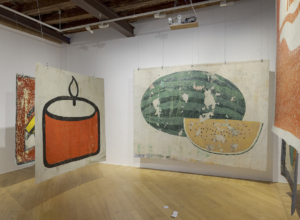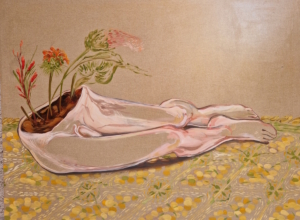
Il PAV (Parco Arte Vivente) di Torino dedica un’ampia personale a Claudio Costa (Tirana, 1942 – Genova, 1995), tra le figure più originali e meno indagate dell’arte italiana del secondo Novecento. Realizzata in collaborazione con l’Archivio Claudio Costa e la C+N Gallery CANEPANERI, la mostra sarà visitabile dal 16 maggio all’11 ottobre 2026.
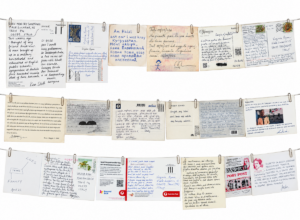
Il progetto espositivo, a cura di Marco Scotini, si concentra soprattutto sulla produzione degli anni Settanta, fase centrale della ricerca dell’artista, e indaga il nucleo della sua riflessione: il rapporto tra cultura materiale, memoria biologica e origine antropologica. L’iniziativa si inserisce nel programma di ricerca storica del PAV, impegnato da anni a indagare le radici del rapporto tra arte ed ecosistema. Negli ultimi tempi il centro ha esteso questa indagine anche a quegli artisti che, già negli anni Sessanta e Settanta, avevano anticipato temi oggi centrali nel dibattito su ecologia, biodiversità e memoria del vivente. In questo contesto, Costa occupa una posizione singolare. Nelle sue opere la natura viene utilizzata come archivio di segni, materia viva capace di conservare le tracce del tempo biologico e culturale.
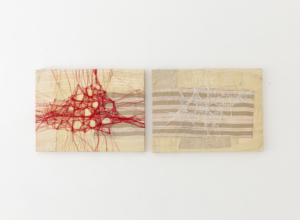
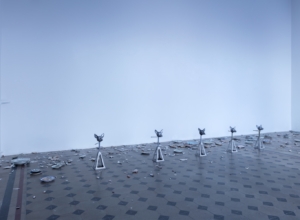
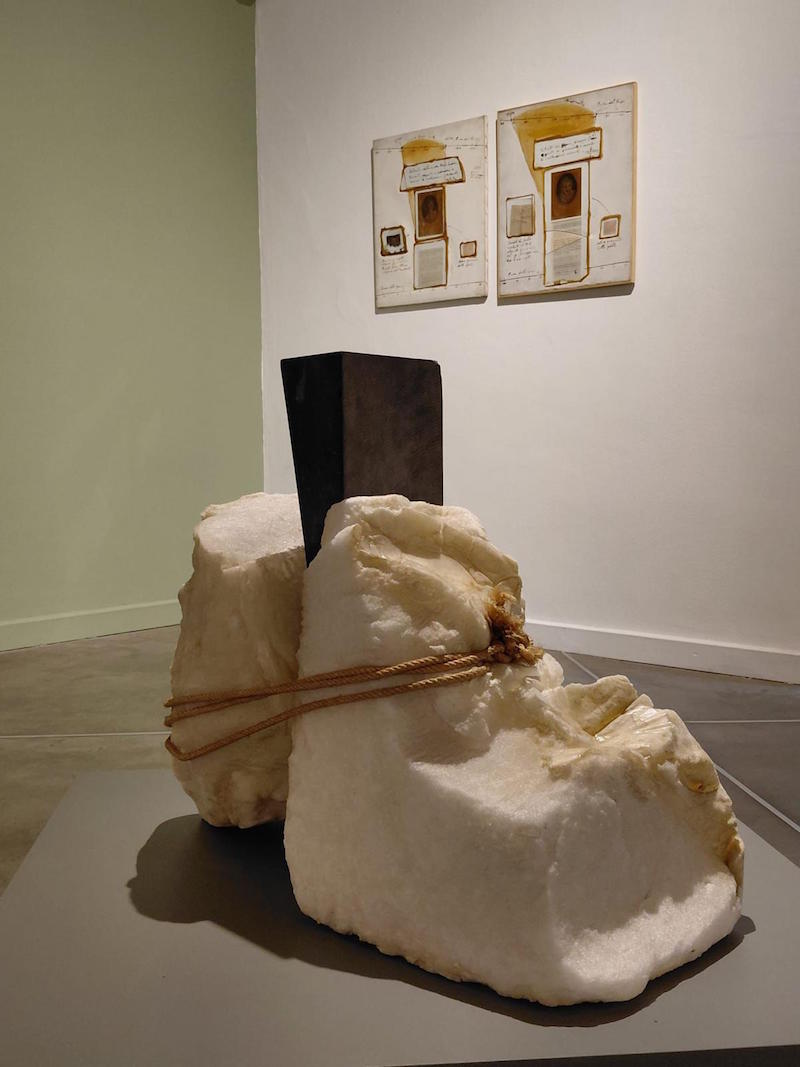
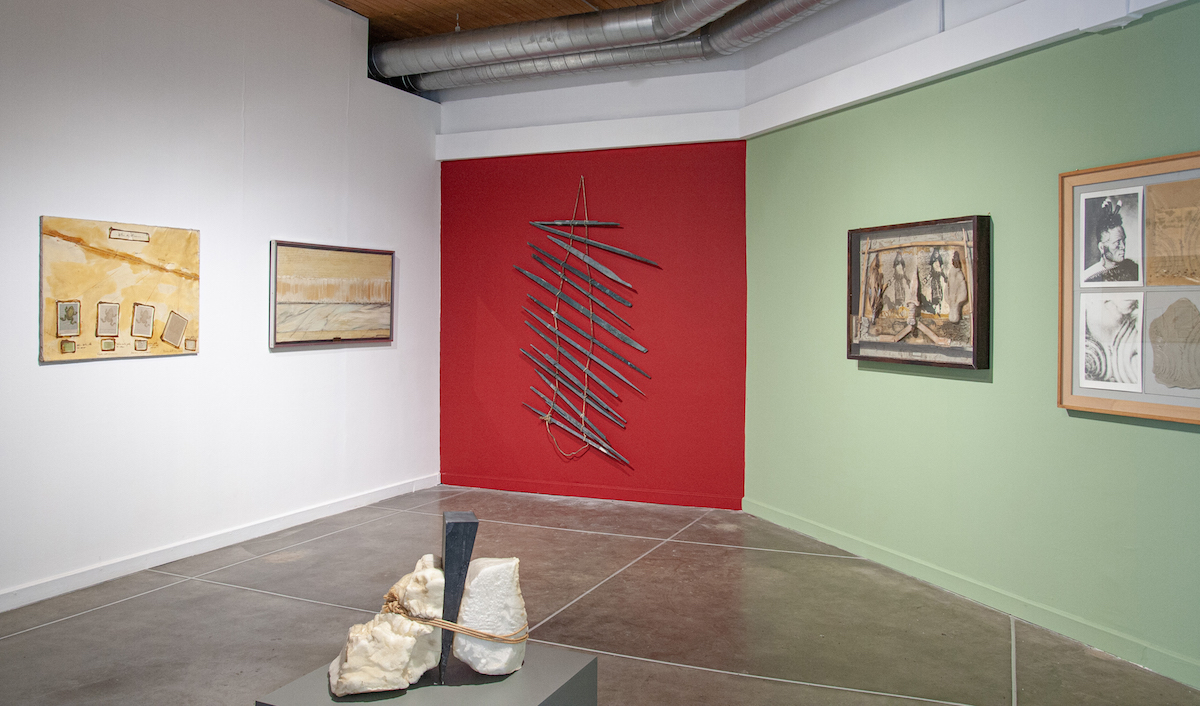
Il titolo della mostra riprende un’opera del 1978 e rimanda all’idea di un pensiero “metamagico”, in cui rito e mito diventano strumenti di conoscenza alternativi alla razionalità occidentale. L’esposizione riunisce tavole, teche, installazioni e serie fotografiche degli anni Settanta, organizzate in tre sezioni: Antropologia riseppellita, dedicata alla sala presentata a Kassel nel 1977, Il Museo dell’Uomo e Il Museo di antropologia attiva di Monteghirfo.
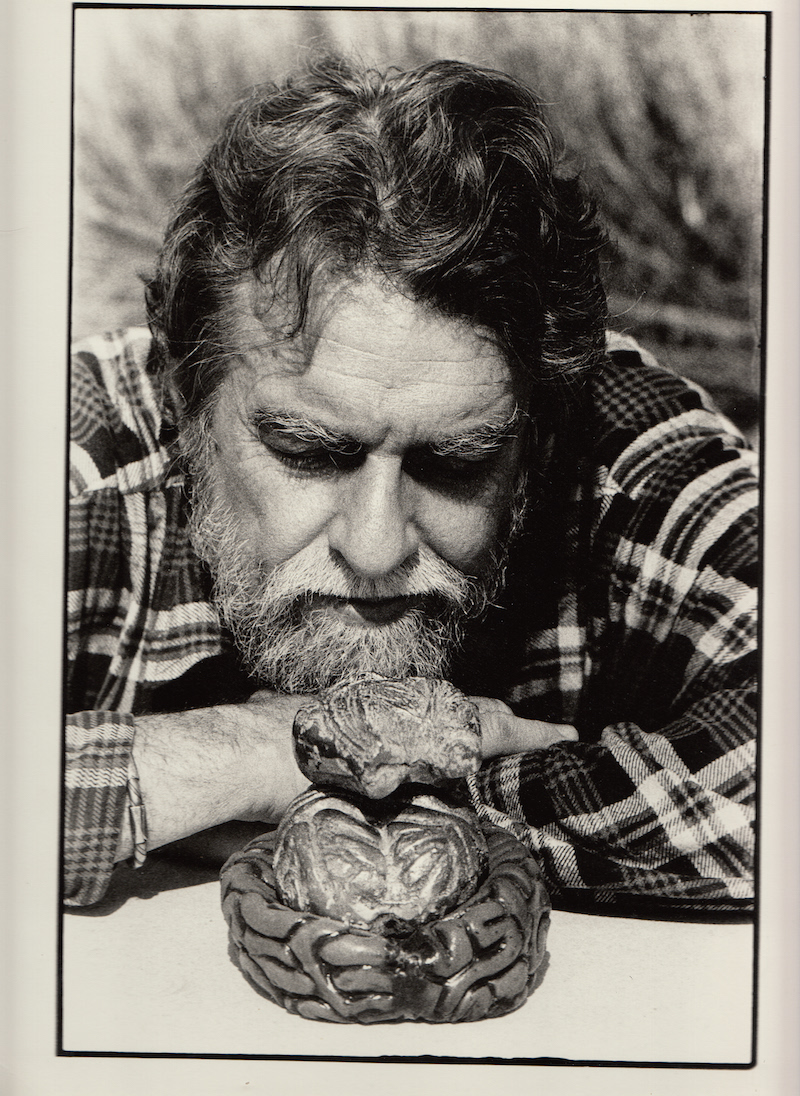
Intervista al curatore Marco Scotini
Pur essendo entrato in contatto con il clima dell’Arte Povera (l’eco risuona immediata nell’uso di materiali organici ed elementari come ardesia, creta, cera, terracotta, ossa ed elementi vegetali), Costa ha sviluppato una propria ricerca autonoma, che mescola antropologia, etnografia, paleontologia e alchimia. Quali sono le implicazioni critiche di questa posizione “eccentrica”, nell’accezione etimologica del termine di posizione “fuori dal centro”?
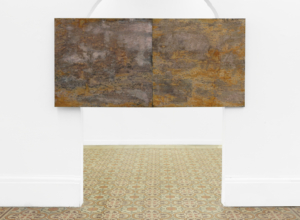
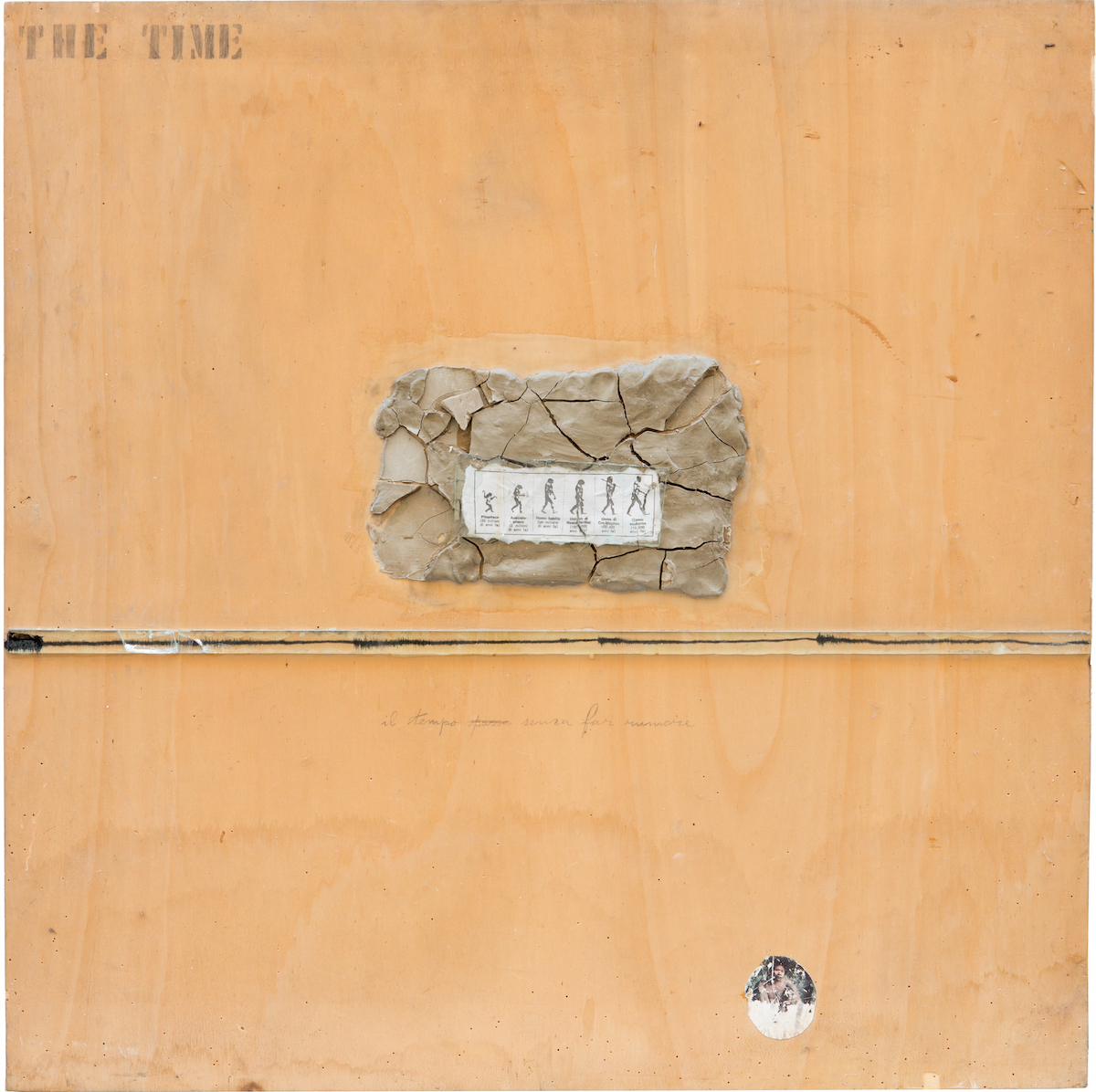
Una serie di tele acide di Claudio Costa mette in scena la trasformazione, nel tempo, della materia: la corrosione della superficie, l’esposizione in diretta della lacerazione, una sorta di alchimia dell’alterazione di una sostanza in un’altra che può rimandare (o, di fatto, rimanda) all’ambito dell’Arte Povera. Siamo nel 1970 e l’anno prima Costa era tornato in Italia da Parigi, dopo cinque anni di assenza e dopo aver partecipato al Maggio ’68. Il fatto che la prima personale di Costa si apra alla Galleria La Bertesca, che a settembre 1967 tiene a battesimo l’Arte Povera, oppure l’amicizia iniziale con Mario e Marisa Merz così come con Pier Paolo Calzolari rimanda ancora Costa a quel contesto poverista, di cui mai riuscirà ad assorbirne completamente le istanze. Ma se oggi Costa ci interessa realmente è proprio per questo suo essere refrattario a qualsiasi movimento artistico o perché la sua produzione riesce a sfidare ogni rappresentazione univoca. Difficile da classificare entro i canoni del modernismo storiografico (Arte Concettuale, Fluxus, Arte Povera), il lavoro di Costa oggi non può che risultare di grande attualità. Basti pensare che il testo “L’artista come etnografo” di Hal Foster compare nel 1996 mentre Costa ci lascia nel 1995. Per una strana ironia della sorte, da allora Costa subisce una grande rimozione dalla scena artistica mentre avrebbe potuto diventare un referente per intere generazioni. Oggi fortunatamente ci siamo accorti (seppure con imperdonabile ritardo) del suo peso specifico anche se ancora è tutto da riscoprire. Sono sicuro che i suoi concetti relativi all’ecosistema, al museo e al tempo ci terranno occupati per i prossimi anni.
Costa definisce la propria pratica un “work in regress”: un movimento non progressivo ma retroattivo verso l’origine. Come si può leggere questa attitudine in rapporto alle genealogie della modernità artistica?
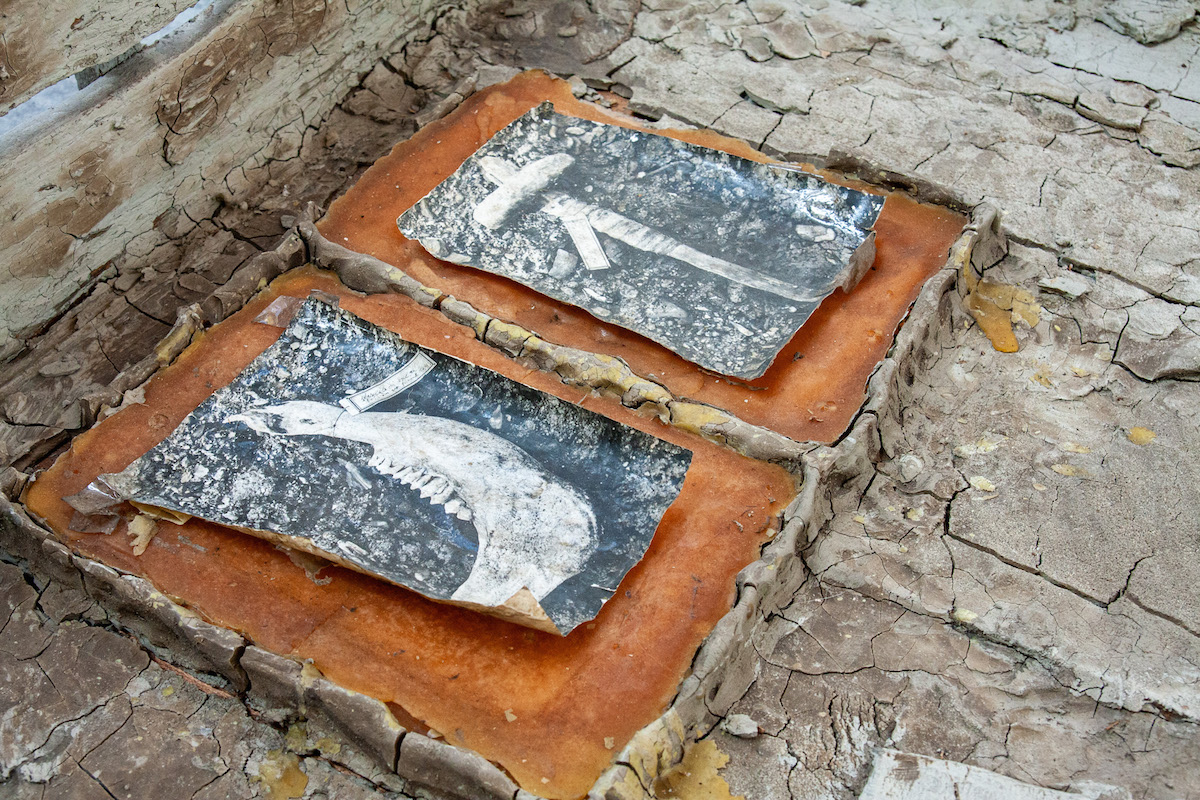
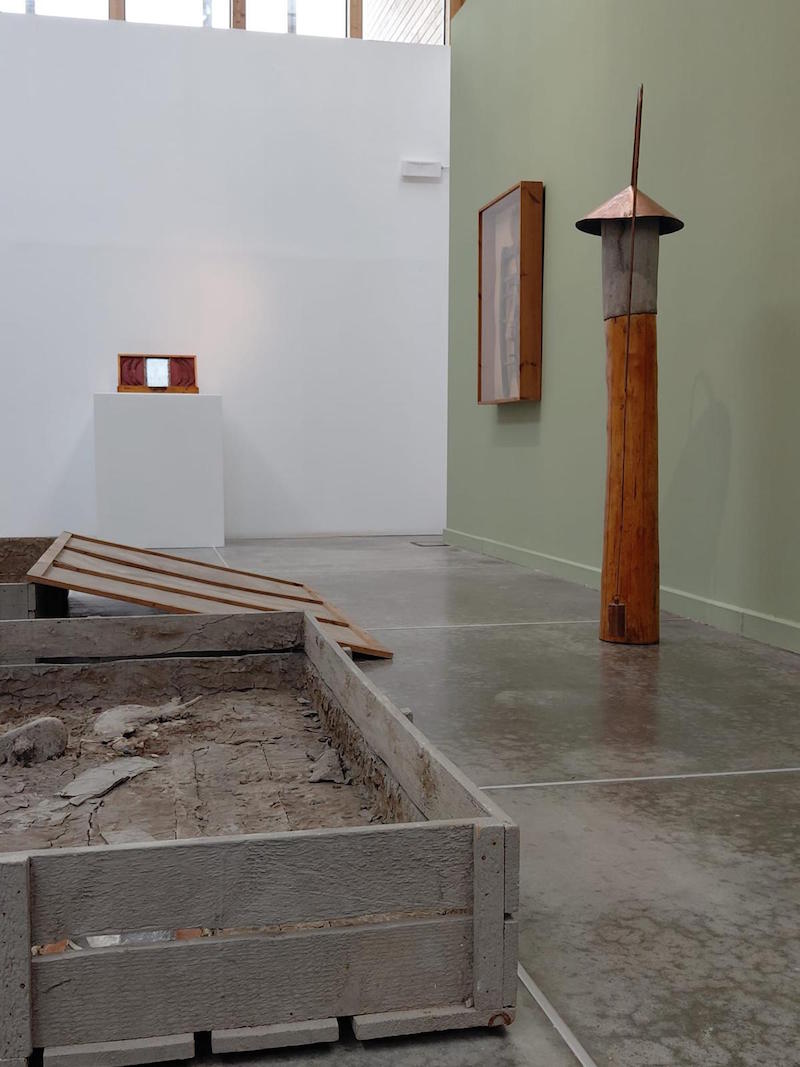
I due grandi padri di Costa sono James Joyce e Marcel Duchamp, che conosce personalmente a Parigi presso il celebre Atelier 17 di S. W. Hayter in Rue Daguerre a Montparnasse. Ma, come si dice in psicanalisi e in letteratura, Costa con i suoi concetti artistici fondamentali muove all’uccisione dei padri. Questi concetti basilari sono almeno due: da un lato, il “work in regress” che rimanda, negandolo, alla scrittura in evoluzione del “work in progress” di Joyce, quella che sarà fenomenizzata da Finnegans Wake. Dall’altro lato, il ready-made di Duchamp verso cui agirà con un sotterraneo criticismo costante. Non certo rifiutando l’oggetto che, come tale, sarà al centro di tutto il lavoro di Costa. Piuttosto rifiutando il principio di dislocazione dell’oggetto dal contesto, la sua fredda decontestualizzazione, la sua alienazione e riduzione a cosa. Per Costa l’oggetto non vale per ciò che è ma per il mondo che porta con sé, per il suo valore rituale, stratificato e mnemonico. Parlando del suo Museo di antropologia Attiva a Monteghirfo (1975), Costa afferma: “Ecco il ribaltamento del ready-made duchampiano dove l’Oggetto comune entra nel museo e diventa Opera d’Arte, perdendo la sua funzione. Qui invece il museo si pone attorno all’Oggetto, esaltandone la funzione. Quindi ‘Arte delle Cose’ e non ‘Cose dell’Arte’”. Così come Costa intacca uno dei paradigmi del museo moderno, non lascia inalterato anche il senso del tempo che ha accompagnato la sua stessa idea. Il “work in regress” è un aspetto meraviglioso del lavoro di Costa. L’andare a ritroso, lavorare addirittura sulla Paleontologia, non significa accanirsi a ritrovare il mondo così come è stato, ma riaccedere al passato come possibilità, come attitudine. Non alle cose dette ma alla facoltà di dire. Quando si entra nella mostra “Metamagico” al PAV di Torino ci sono due casse di legno scoperchiate che danno l’idea della sintesi formidabile di questi due concetti di Costa. Il lavoro si chiama “Antropologia riseppellita” e viene presentato, come grande installazione, alla Documenta del 1977. In questo lavoro gli strumenti del lavoro agricolo (una mandibola dell’animale che ha arato e un’ascia paleolitica, oppure un uccello e una falce) sono presentati fotografati in bianco e nero come reperti archeologici e riseppelliti sottoterra. “L’inversione del tempo e il simbolo di una ipotetica palingenesi appaiono così, da parte loro, come l’unico simbolo possibile per l’unico ottimismo possibile”, come scrisse allora Corrado Maltese.
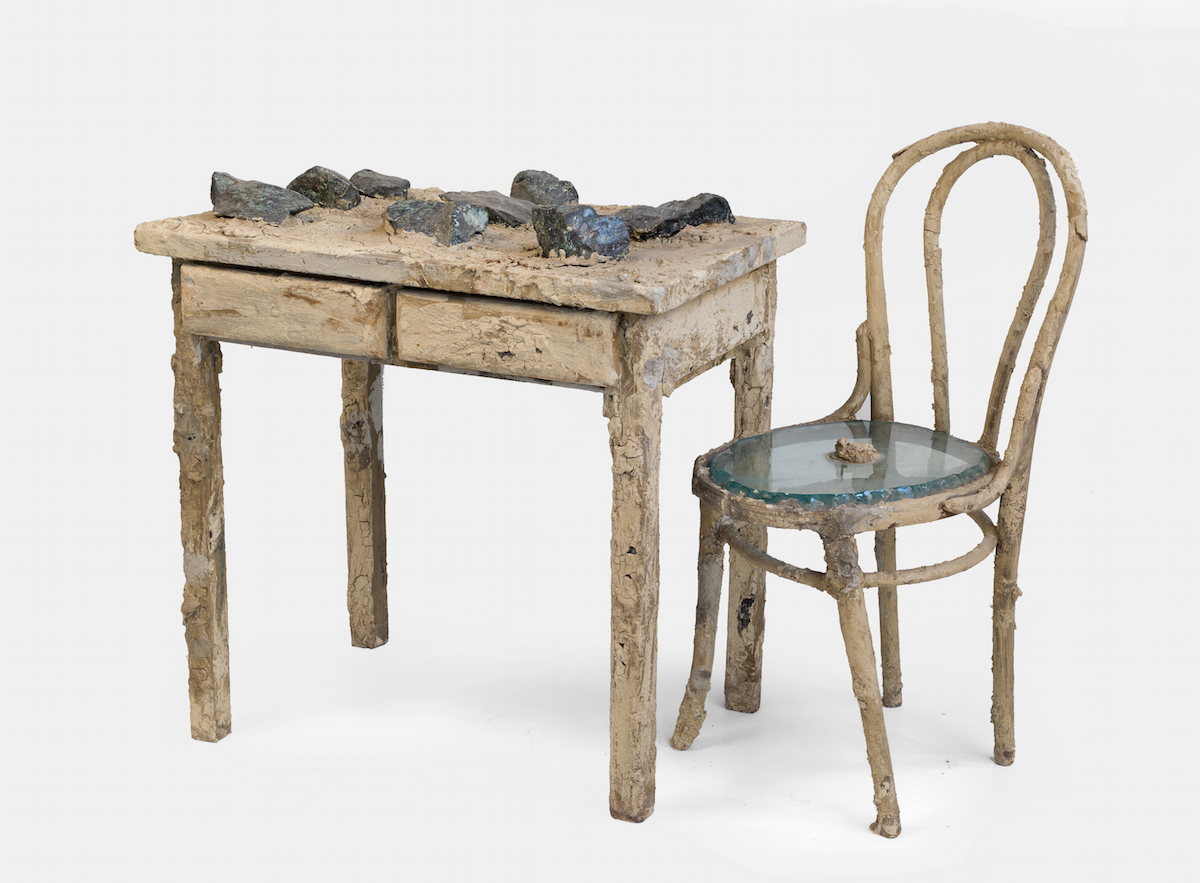
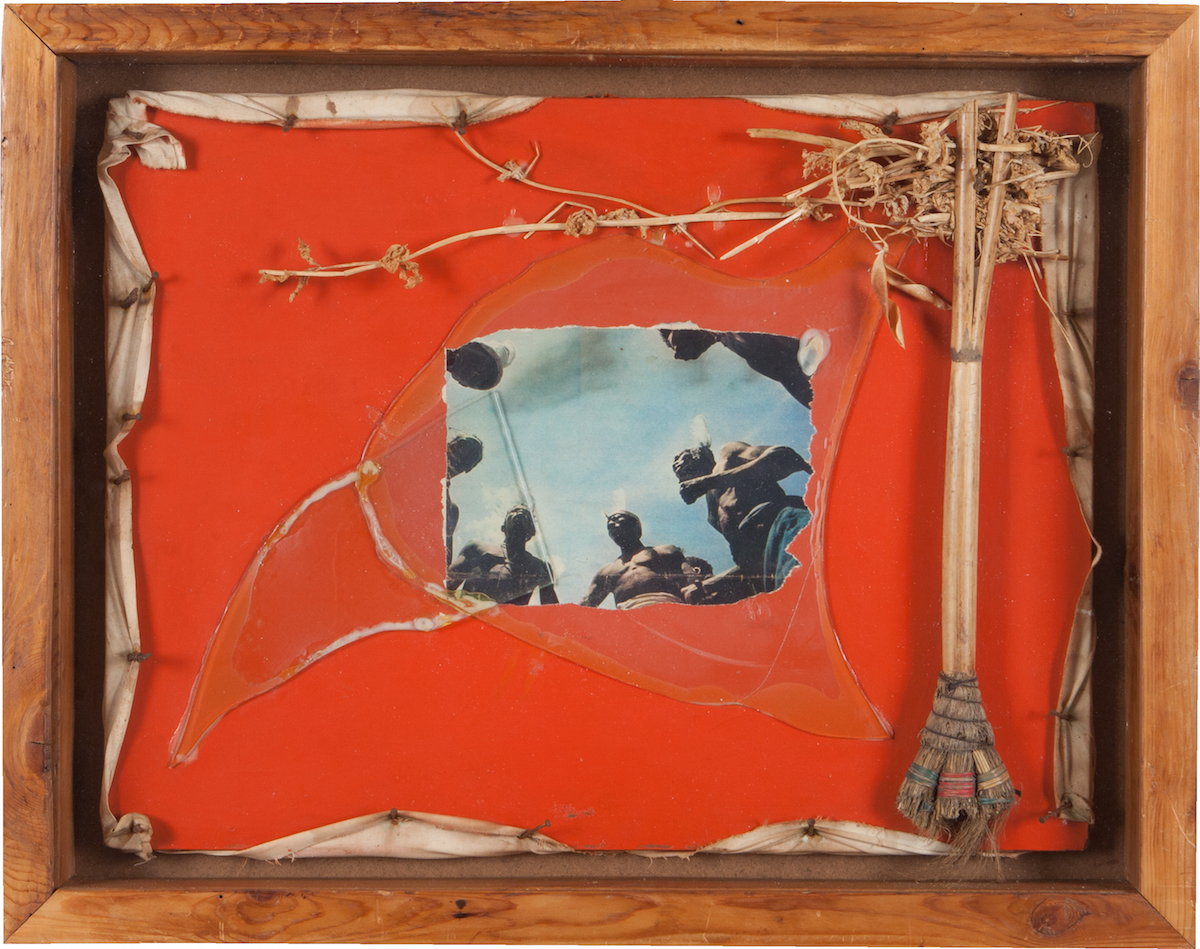
Parlando del piano operativo dell’artista, fai riferimento alle parole di Ernesto de Martino e citi l’assonanza tra la figura dell’artista e quella dello sciamano. Mi è sempre interessato quest’ultimo, in quanto abitante di una zona di confine. Lo sciamano conosce entrambi i mondi: il divino e gli inferi, il ventre e la testa, il corpo e l’impalpabile anima. La forza di questa conoscenza è ciò che lo rende insostituibile, pericoloso eppure venerato, isolato eppure sempre al centro della vita della comunità. Un essere di frontiera.
Anche Claudio Costa è un artista di frontiera, esattamente: un artista che si sporge sul limite, che fa dello spazio liminale la propria sede. In questo suo viaggiare a ritroso (in regress) la figura dello sciamano, come quella dell’antropologo e dell’alchimista, è una fenomenologia collegata a quella dell’artista, una delle sue possibili maschere. La figura dello sciamano è però particolarmente appropriata per il suo lavoro di cura e di guarigione: basti pensare al Museo Attivo delle Forme Inconsapevoli (1992) presso l’ex-Ospedale psichiatrico di Quarto a Genova. Ma non solo. Se pensiamo allo sciamano come a colui che risveglia l’anima nel defunto, ecco che qui tutta la filosofia di Costa quale volontà di riaccedere al passato come potenziale ancora attivo, mi sembra coincidere perfettamente con la funzione storico-mitica di questa figura. Lo stesso ruolo del rituale è centrale nel suo lavoro artistico. Naturalmente andrebbero sottolineate anche similarità e differenze con Joseph Beuys, ma intanto basti accennare che lo sciamanesimo di Costa aggredisce fortemente l’idea della temporalità del museo moderno e quella della storia. Per questo ci sembra profondamente in linea con molte ricerche del contemporaneo.
Quale contributo può offrire la riscoperta di Costa al processo di lettura e comprensione della storia dell’arte italiana?
Sicuramente ricollocare Costa nel posizionamento che gli spetta articolerà ulteriormente la ricca storia degli anni Settanta in Italia, alla quale mi sono dedicato con passione per anni. Ma soprattutto potrebbe introdurre qualcosa che all’Italia è mancato e per cui Costa è una delle rare figure: il dibattito intorno al museo e alla conoscenza. Se dovessimo citare un artista italiano che ha realmente fatto Institutional Critique, chi potremmo considerare? Il suo lavoro sulla cultura materiale, sulle altre culture, su ciò che è extra-occidentale e extra-disciplinare, è enorme. Ma al di fuori di ogni semplificazione, credo che Claudio Costa rimanga una figura davvero singolare e che potrà risultare produttiva per le generazioni a venire.
THE “METAMAGICO” EXHIBITION, DEDICATED TO CLAUDIO COSTA, IS TAKING PLACE AT THE PAV IN TURIN
The PAV (Parco Arte Vivente) is dedicating a major solo exhibition to Claudio Costa (Tirana, 1942–Genoa, 1995), one of the most original and least studied figures in late 20th-century Italian art. Organized in collaboration with the Claudio Costa Archive and C+N Gallery CANEPANERI, the exhibition will be open to the public from May 16 to October 11, 2026.
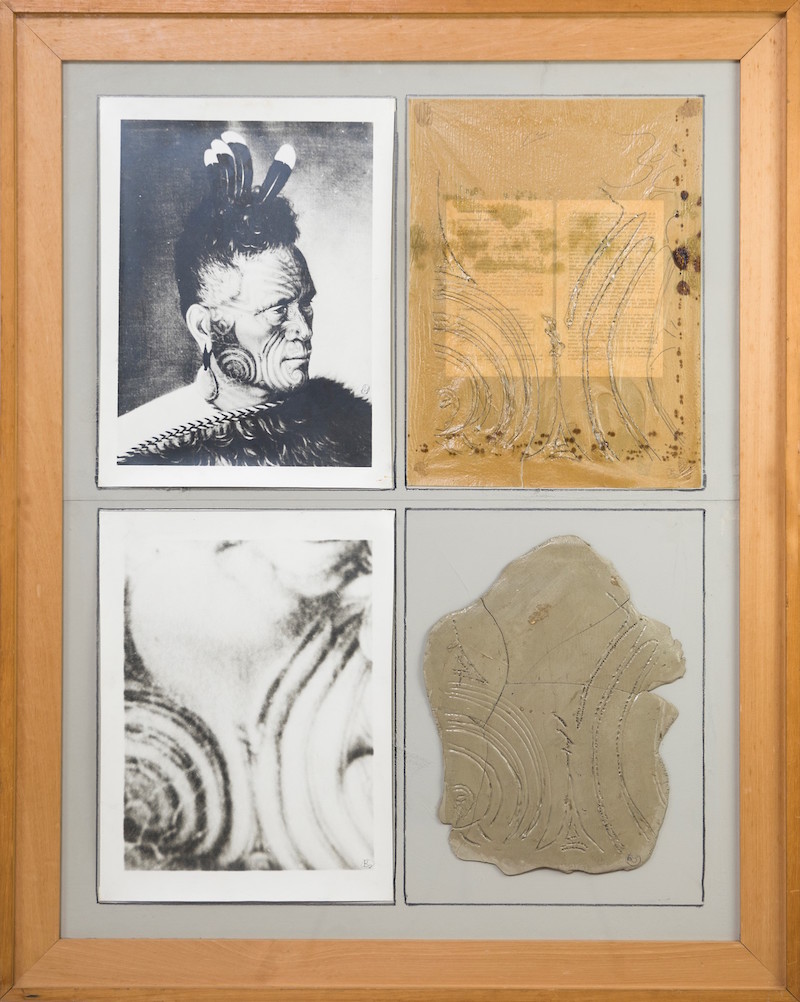
Curated by Marco Scotini, the exhibition focuses on the artist’s work from the pivotal 1970s and explores the core of his artistic reflection: the relationship between material culture, biological memory, and anthropological origins. This initiative is part of PAV’s historical research program, which has long investigated the relationship between art and the ecosystem. Recently, the center has expanded its research to include artists who, as early as the 1960s and 1970s, addressed themes now central to debates on ecology, biodiversity, and the memory of living things. In this context, Costa occupies a unique position. In his works, nature serves as an archive of signs and a living entity that preserves traces of biological and cultural time.
The exhibition’s title references a 1978 work and the concept of “metamagical thinking,” in which ritual and myth serve as an alternative to Western rationality as a means of acquiring knowledge. It brings together panels, display cases, installations, and photographic series from the 1970s organized into three sections: “Re-Buried Anthropology,” which is dedicated to the room presented in Kassel in 1977; “The Museum of Man”; and “The Museum of Active Anthropology in Monteghirfo.”
Interview with Curator Marco Scotini
Although influenced by the Arte Povera movement, which is evident in his use of organic and basic materials such as slate, clay, wax, terracotta, bones, and plant matter, Costa developed an independent body of work blending anthropology, ethnography, paleontology, and alchemy. What are the critical implications of this “eccentric” position in the etymological sense of the term, meaning “off-center”?
A series of acid-treated canvases by Claudio Costa depicts the transformation of matter over time, from the corrosion of the surface to the raw exposure of the laceration. It is a sort of alchemy, altering one substance into another and evoking the realm of Arte Povera. It is 1970, and the previous year, Costa had returned to Italy from Paris after a five-year absence, having participated in the events of May ’68. Costa’s first solo exhibition opened at Galleria La Bertesca, which launched Arte Povera in September 1967. Costa’s early friendships with Mario and Marisa Merz, as well as Pier Paolo Calzolari, also link him to the Arte Povera context, whose demands he would never fully absorb. Costa’s work is relevant today precisely because he resisted any artistic movement and defied single interpretations. Difficult to classify within the canons of modernist historiography (Conceptual Art, Fluxus, and Arte Povera), Costa’s work is highly meaningful today. Hal Foster’s essay “The Artist as Ethnographer” was published in 1996, the year after Costa passed away. In a strange twist of fate, Costa has since been largely sidelined from the art scene, despite the fact that he could have become a point of reference for entire generations. Fortunately, we have now realized his significance, albeit with an unforgivable delay, and there is still much to rediscover. I am certain that his concepts regarding the ecosystem, the museum, and time will engage us for years to come.
Costa describes his artistic process as a “work in regress”: a movement backward, not forward, toward the origin. How might this approach be interpreted in relation to the genealogies of modern art?
Costa’s two greatest mentors are James Joyce and Marcel Duchamp. He met them both in person at S. W. Hayter’s renowned Atelier 17 on Rue Daguerre in Montparnasse, Paris. However, as they say in psychoanalysis and literature, Costa moves toward the killing of the fathers with his fundamental artistic concepts. There are at least two such concepts. On the one hand is the “work in regress,” which refers back to Joyce’s evolving “work in progress”—epitomized by Finnegans Wake—by negating it. On the other hand is Duchamp’s ready-made, which Costa criticizes constantly. Costa does not reject the object, which will be at the center of all his work. Rather, he rejects the principle of dislocating the object from its context, its cold decontextualization, its alienation and reduction to a mere thing. Costa values the object not for what it is, but for the world it carries with it: its ritual, layered, and mnemonic value. Speaking of his Museum of Active Anthropology in Monteghirfo (1975), Costa states: “This is a reversal of Duchamp’s readymade, where the common object enters the museum and becomes a work of art, losing its function. Here, however, the museum revolves around the object, exalting its function. Thus, ‘Art of Things’ and not ‘Things of Art.” Costa challenges one of the paradigms of the modern museum and transforms the sense of time that accompanies his concept. The “work in regress” is a marvelous aspect of his work. Moving backward and engaging with paleontology does not mean striving to recreate the world as it once was. Rather, it means re-entering the past as a possibility and an attitude. It is not about things said, but about the ability to say. Upon entering the “Metamagico” exhibition at the PAV in Turin, visitors are greeted by two open wooden crates that embody Costa’s formidable synthesis of these two concepts. Titled “Re-buried Anthropology,” the work was presented as a large-scale installation at Documenta in 1977. In this piece, agricultural tools, such as the jawbone of an animal that plowed and a Paleolithic axe, a bird, and a sickle, are presented in black-and-white photographs as archaeological finds buried underground. “The reversal of time and the symbol of a hypothetical palingenesis thus appear, in their own right, as the only possible symbol for the only possible optimism,” wrote Corrado Maltese at the time.
When discussing Costa’s creative process, you refer to Ernesto de Martino’s words and highlight the similarities between the artist and the shaman. As an inhabitant of a border zone, I have always been interested in the latter. The shaman knows both worlds: the divine and the underworld; the belly and the head; the body and the intangible soul. This knowledge makes the shaman irreplaceable, dangerous yet revered, and always at the center of community life despite being isolated. He is a being of the frontier.
Claudio Costa is also a frontier artist—more precisely, an artist who embraces the edge and makes the liminal space his home. In this backward journey, the figure of the shaman, like those of the anthropologist and the alchemist, is phenomenologically linked to the artist and is one of his possible masks. However, the shaman is particularly fitting for his work of care and healing. One need only think of the Active Museum of Unconscious Forms (1992) at the former psychiatric hospital in Quarto, Genoa. But that is not all. If we think of the shaman as someone who reawakens the soul of the deceased, then Costa’s entire philosophy—a desire to reconnect with the past as an active potential—seems to coincide perfectly with this figure’s historical-mythical function. The role of ritual is central to his artistic work. Similarities and differences with Joseph Beuys should also be noted, but for now, it is enough to say that Costa’s shamanism challenges the idea of the temporality of the modern museum and history. For this reason, his work seems deeply in line with much contemporary research.
In what ways can the rediscovery of Costa contribute to our interpretation and understanding of Italian art history?
Placing Costa in his rightful place will certainly enrich the already rich history of 1970s Italy, a subject to which I have devoted myself passionately for years. Above all, however, it could introduce a much-needed debate surrounding the museum and knowledge, a topic for which Costa is one of the few figures. If we were to name an Italian artist who truly practiced institutional critique, who would we consider? Costa’s work on material culture, other cultures, and non-Western and interdisciplinary subjects is vast. Setting aside any oversimplification, I believe Claudio Costa is a unique figure who will continue to bear fruit for generations to come.
Cover story: Claudio Costa, Metamagico, Installation view, PAV Torino. Courtesy C+N Gallery CANEPANERI