Intervista al curatore della mostra Charles Moore
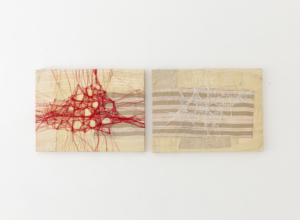
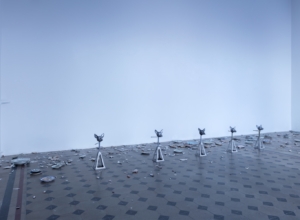
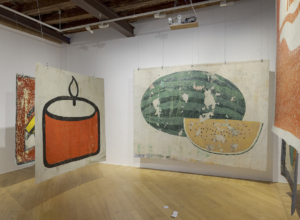
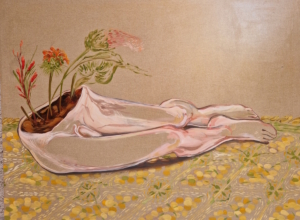
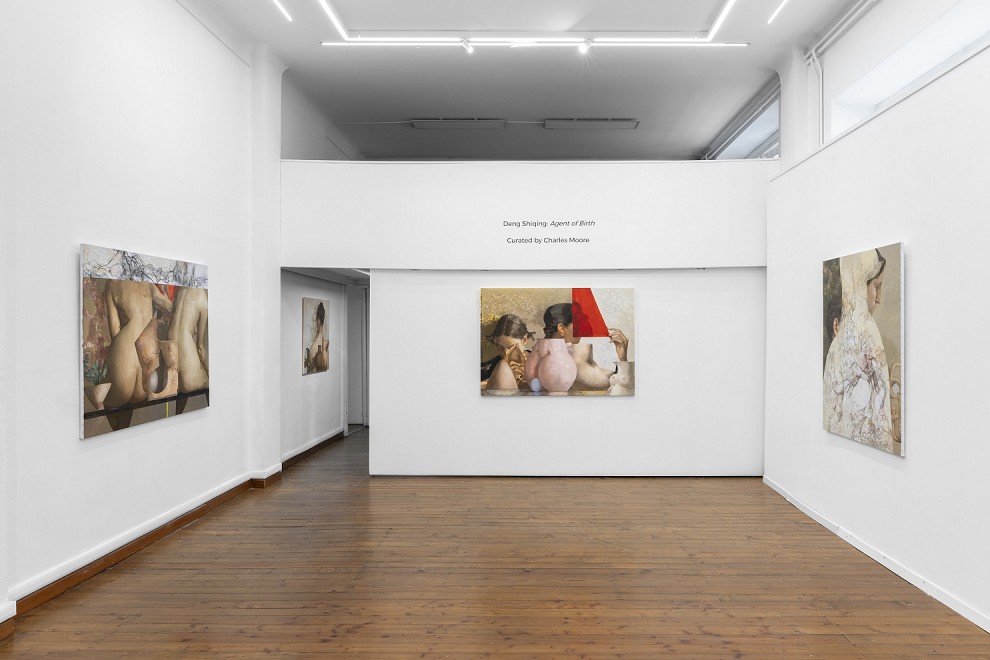
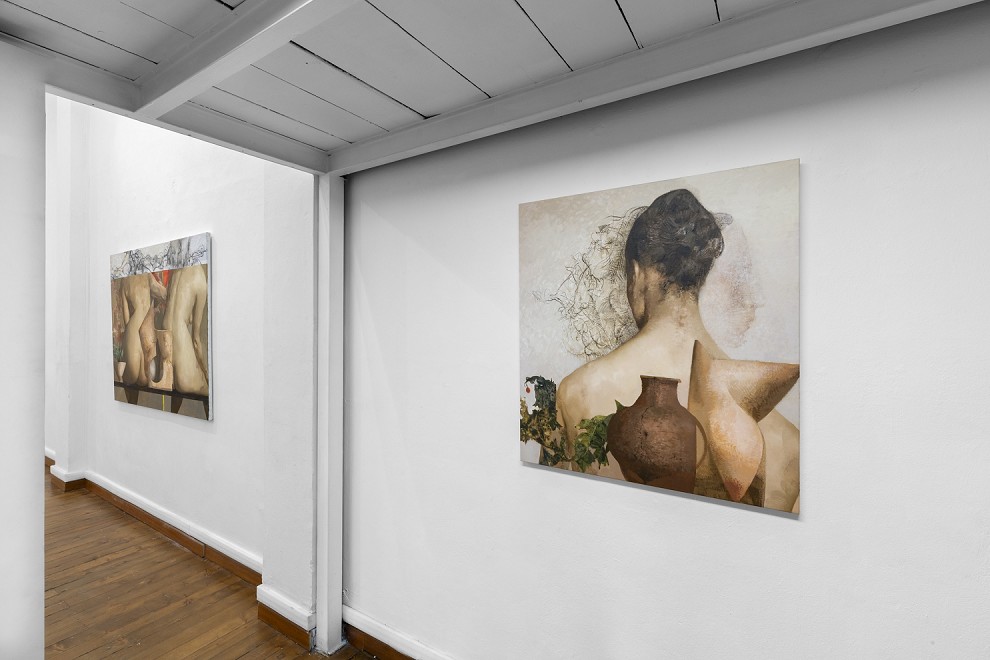
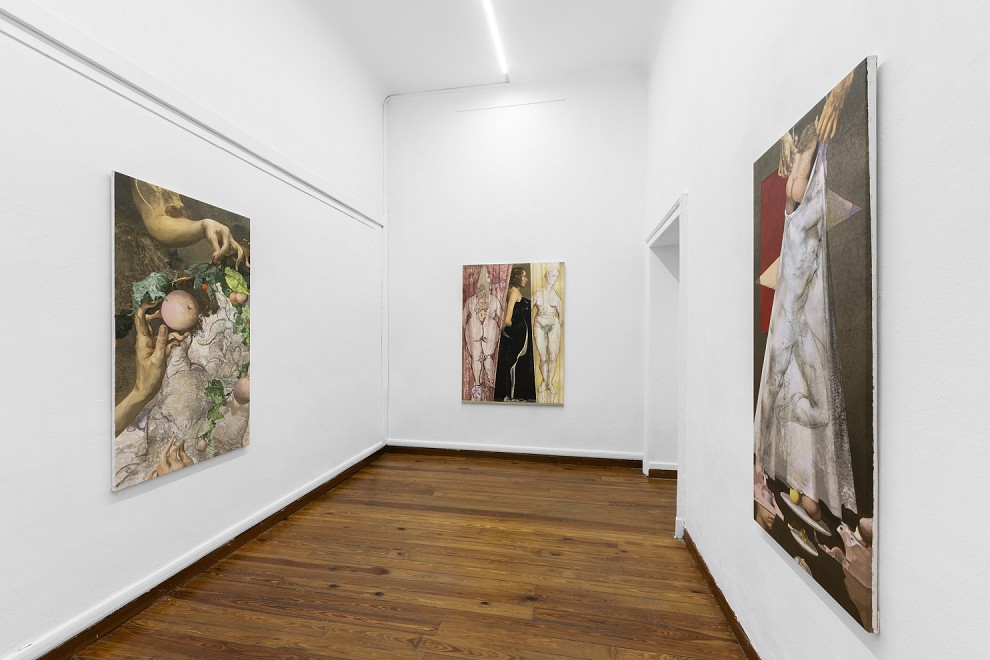
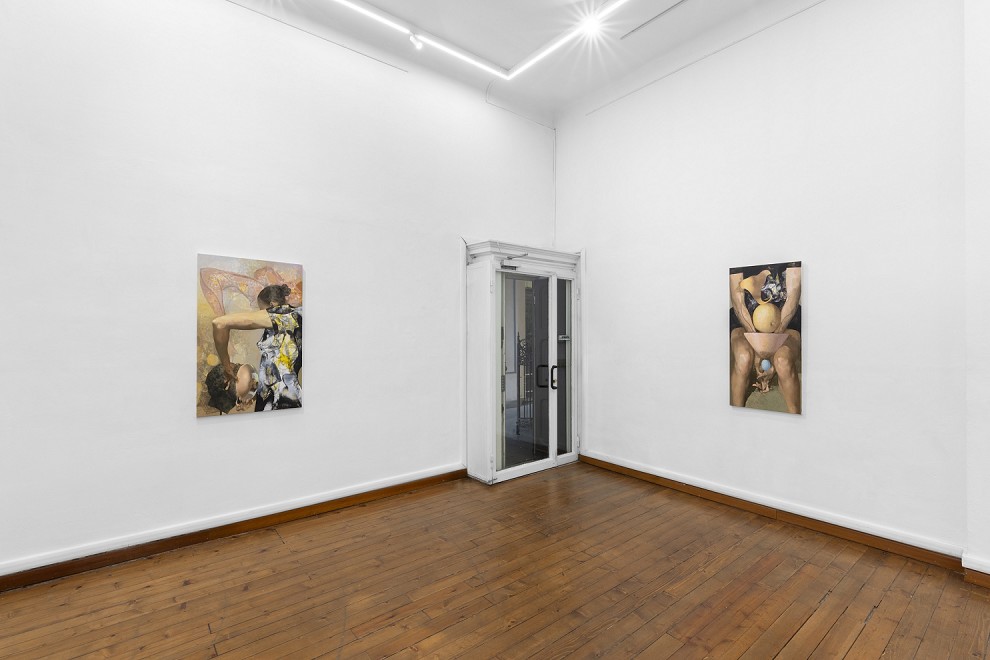
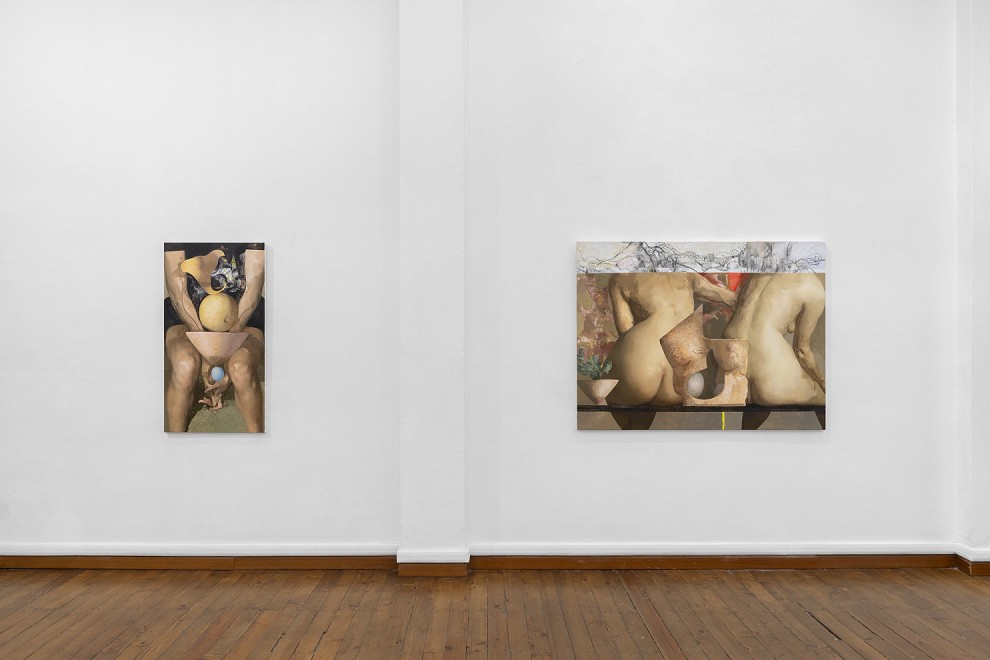
Due anni dopo il successo della sua prima personale in Italia che esplorava le modalità di distorsione della realtà, Deng Shiqing (1992, Cina) torna alla C+N Gallery CANEPANERI di Milano con “Agent of Birth”. Il nuovo progetto espositivo, curato da Charles Moore e visitabile sino al 24 luglio 2026, affronta una delle questioni più complesse e controverse del nostro tempo: la maternità surrogata. Attraverso una serie di intensi dipinti dal carattere psicologico, l’artista cinese esplora le trasformazioni del corpo femminile nell’era delle tecnologie riproduttive e del capitalismo globale. Le sue opere combinano la raffinatezza tecnica della tradizione figurativa occidentale con immagini surreali, ironiche e talvolta inquietanti. Ne scaturisce un universo in cui cura e mercificazione, desiderio e controllo, intimità e contratto coesistono in uno stato di costante tensione. Corpi monumentali, meticolosamente costruiti, che ricordano i dipinti dei grandi maestri del passato, sono attraversati da elementi estranei: oggetti sintetici, dettagli pop art, simboli assurdi e frammenti anatomici, che minano qualsiasi nozione di armonia o permanenza. Senza esprimere giudizi morali, la mostra solleva interrogativi sui temi della riproduzione, la proprietà del corpo, l’autonomia individuale, la fertilità e la genitorialità.
Per comprendere meglio la natura della mostra, il linguaggio visivo dell’artista e le questioni etiche e culturali che sottendono a questo progetto, ho rivolto qualche domanda al curatore Charles Moore.
Dopo aver curato la prima mostra di Shiqing in Italia, quali elementi di continuità e sviluppo hai notato in “Agent of Birth”?
Ciò che è rimasto costante è la straordinaria capacità di Deng di passare con disinvoltura dalla precisione tecnica all’ambiguità psicologica. L’artista possiede una notevole padronanza del disegno, che si nota chiaramente nelle mani e nei volti delle sue figure, ma questa virtuosità non è mai stata il fine ultimo. Nei suoi lavori precedenti, mi aveva colpito il modo in cui distorceva la realtà attraverso giustapposizioni surreali e umorismo. Chi la conosce sa che ama ridere e che, se non dipingesse, farebbe cabaret. In “Agent of Birth”, quel linguaggio è maturato, diventando più focalizzato e urgente. Il surrealismo non è più semplicemente n espediente visivo, ma è diventato parte integrante del suo linguaggio. Invece di chiederci di mettere in discussione ciò che vediamo, Deng ci chiede di mettere in discussione i sistemi che plasmano le nostre esperienze umane più intime. I dipinti appaiono più pacati rispetto ai suoi lavori precedenti, ma possiedono un peso psicologico maggiore. Piuttosto che forzare una conclusione, lascia che l’ambiguità svolga la sua funzione.
Nei suoi dipinti troviamo simultaneamente riferimenti ai grandi maestri del passato, alla cultura pop, all’animazione e al surrealismo. Non manca nemmeno l’ironia, che usa come strumento per esaminare in maniera critica la realtà. C’è un continuo dialogo tra tradizione e immaginazione contemporanea nel lavoro di Shiqing,
Uno dei maggiori punti di forza di Deng è che questi riferimenti non appaiono mai come citazioni o appropriazioni. Michelangelo, Disney, surrealismo, moda e cultura visiva contemporanea diventano tutti parte dello stesso linguaggio pittorico. L’artistacomprende che la storia non è qualcosa che ci siamo lasciati alle spalle, ma qualcosa con cui continuiamo a confrontarci. Il risultato è un corpus di opere che appare profondamente radicato nella pittura pur rimanendo inequivocabilmente contemporaneo.
Muovendo dal tema della maternità surrogata, Shiqing raffigura il corpo femminile come luogo di negoziazione tra desiderio, lavoro, tecnologia e mercato. Quali riflessioni più ampie emergono sullo spirito del nostro tempo?
Non credo che la mostra tratti in definitiva di maternità surrogata. Penso che questa sia la lente attraverso cui Deng esamina una trasformazione ben più ampia della vita contemporanea, il fatto cioè che le nostre esperienze più intime sono sempre più mediate da esigenze istituzionali. La maternità surrogata si limita a rendere visibili queste negoziazioni. Deng rifiuta facili posizioni morali ed è questo che mi interessa. Non si schiera a favore o contro le tecnologie riproduttive, piuttosto si interroga su come queste orientino la nostra autonomia e la consapevolezza che ne abbiamo. Sono questioni ben più ampie del concetto di riproduzione, perché riguardano molti aspetti della vita contemporanea.
Il tuo approccio curatoriale privilegia artisti che affrontano temi sociali attraverso un linguaggio figurativo complesso e stratificato. Considerando il lavoro di Shiqing, qual è, a tuo avviso, il contributo più originale che lei ha dato alla pittura figurativa contemporanea?
Credo che Deng abbia ampliato le possibilità del nudo contemporaneo. Invece di trattare il corpo come un oggetto di rappresentazione, lo trasforma in un luogo in cui i sistemi psicologici diventano visibili. Pochi pittori contemporanei si muovono con tanta fluidità tra maestria tecnica e complessità concettuale. Potrebbe un giorno dialogare con pittori come Kerry James Marshall, Lisa Yuskavage, Adrian Ghenie, Jenny Saville e Neo Rauch.
La tua propensione a inquadrare le opere d’arte all’interno di sistemi culturali ed economici più ampi ti porta a considerare l’ambiguità come strumento critico. Attualmente, tuttavia, la tendenza è quella di essere il più chiari possibile per far rientrare tutto dentro una cornice narrativa ben definita. Un approccio che s è sviluppato a partire dagli anni Duemila quando l’arte, sotto l’egemonia del capitale, è diventata parte della cultura del consumo. E ai consumatori, si sa, non piacciono le difficoltà. Nessuno compra qualcosa soltanto perché è difficile. Questo ha portato a una grandissima semplificazione, che stride molto con la complessità del mondo.
Credo che l’ambiguità ci faccia sentire a disagio. C’è una crescente aspettativa che ogni opera d’arte debba dichiarare con precisione il suo significato e la sua posizione. Questo può rendere l’arte più facile da fruire, ma raramente la rende più significativa. Le opere più potenti che ho incontrato non risolvono la complessità, bensì la preservano. Non credo che l’arte difficile sia intrinsecamente migliore dell’arte accessibile. Credo però che la buona arte debba lasciare spazio alla scoperta. Viviamo in una cultura che premia sempre più la certezza e la leggibilità immediata. La pittura offre qualcosa di diverso, permette a idee contraddittorie di coesistere senza costringerle a una singola conclusione. Quando penso ad artisti come Deng Shiqing, non mi interessa se posso riassumere il loro lavoro in una frase. Mi interessa se il lavoro continua a suscitare nuove domande dopo che l’ho osservato. Ho provato questa sensazione soffermandomi sulle opere di alcuni degli artisti che ho menzionato prima. I dipinti che ci rimangono impressi sono di solito quelli che resistono a una comprensione completa, quelli che chiedono, a noi spettatori, uno sforzo maggiore e spesso rivelano di più su noi stessi rispetto alle opere che si limitano a confermare ciò che già pensiamo.
Agent of Birth: Deng Shiqing Returns to C+N Gallery CANEPANERI
Interview with Exhibition Curator Charles Moore
Two years after the success of her first solo show in Italy, which examined the ways in which reality can be distorted, Deng Shiqing (b. 1992, China) returns to the C+N Gallery CANEPANERI in Milan with “Agent of Birth”. This new exhibition project, curated by Charles Moore and on view until July 24, 2026, addresses one of the most complex and controversial issues of our time: surrogacy. Through a series of intensely psychological paintings, the Chinese artist explores the transformations of the female body in the age of reproductive technologies and global capitalism. Her works combine the technical refinement of the Western figurative tradition with surreal, ironic, and sometimes unsettling imagery. This gives rise to a universe in which care and commodification, desire and control, and intimacy and contract coexist in a state of constant tension. Meticulously constructed, monumental bodies reminiscent of Old Master paintings are interspersed with foreign elements, such as synthetic objects, pop art details, absurd symbols, and anatomical fragments, which undermine any notion of harmony or permanence. Without passing moral judgment, the exhibition raises urgent questions about reproduction, bodily ownership, individual autonomy, fertility, and parenthood.
To better understand the exhibition’s nature, the artist’s visual language, and the ethical and cultural issues underlying this project, I met with curator Charles Moore.
After curating Shiqing’s first exhibition in Italy, what elements of continuity and development did you observe in “Agent of Birth”?
What has remained constant is Deng’s extraordinary ability to transition freely between technical precision and psychological ambiguity. She has this remarkable command of draftsmanship, you see it clearly in the hands and faces of her figures, but that virtuosity has never been the destination. In her earlier work, I was struck by how she distorted reality through surreal juxtapositions and humor. If you know her as a person you’d know, she loves to laugh and if wasn’t painting she’d be doing comedy. In “Agent of Birth,” that language has matured into something more focused and urgent. The surrealism is no longer simply visual; it has become a part of her language. Rather than asking us to question what we see, Deng asks us to question the systems that shape our most intimate human experiences. The paintings feel quieter than her earlier work, but they carry greater psychological weight. There is a confidence in allowing ambiguity to do the work rather than forcing a conclusion.
Her paintings incorporate references to the Old Masters, pop culture, animation, and surrealism simultaneously. There is also no shortage of irony, which she uses as a tool to critically examine reality. Could you discuss the dialogue between tradition and contemporary imagination that characterizes Shiqing’s work?
One of Deng’s greatest strengths is that these references never feel like quotation or appropriation. Michelangelo, Disney, surrealism, fashion, and contemporary visual culture all become part of the same pictorial language. She understands that history is not something behind us, but something we continue to negotiate. The result is a body of work that feels deeply rooted in painting while remaining unmistakably contemporary.
Starting from the theme of surrogacy, Shiqing depicts the female body as a site of negotiation between desire, labor, technology, and the market. What broader reflections on the spirit of the times emerge from this perspective?
I don’t think the exhibition is ultimately about surrogacy. I think surrogacy is the lens through which Deng examines a much broader transformation in contemporary life. Increasingly, our most intimate experiences are mediated by institutional demands. Surrogacy simply makes those negotiations visible. What interests me is that Deng refuses easy moral positions. She isn’t arguing for or against reproductive technologies. She’s asking what happens to our understanding of autonomy. Questions like this extend well beyond reproduction. They speak to the conditions under which many aspects of contemporary life now operate.
Your curatorial approach prioritizes artists who address social issues through complex and layered figurative language. Considering Shiqing’s entire body of work, what do you consider her most original contribution to contemporary figurative painting?
I think Deng has expanded the possibilities of the contemporary nude. Rather than treating the body as an object of representation, she transforms it into a place where psychological systems become visible. Few painters working today move so fluently between technical mastery and conceptual complexity. She can eventually be in conversation with some of those painters like Kerry James Marshall, Lisa Yuskavage, Adrian Ghenie, Jenny Saville and Neo Rauch.
Your tendency to interpret works within broader cultural and economic systems leads you to value ambiguity as a critical tool. Currently, however, the trend is to be as clear as possible in order to fit things into a well-defined narrative framework. This trend began in the 2000s when art became part of consumer culture under the dominance of capitalism. Consumers don’t like difficulty; they won’t buy something just because it’s difficult. This has led to the terrible simplification of the world’s complexity. Could you elaborate on this topic?
I do think we’ve become uncomfortable with ambiguity. There is a growing expectation that every artwork should announce exactly what it means, and what position it takes. That may make art easier to consume, but it rarely makes it more meaningful. The strongest works I’ve encountered don’t resolve complexity—they preserve it. I don’t believe difficult art is inherently better than accessible art. But I do believe that good art should leave room for discovery. We live in a culture that increasingly rewards certainty and immediate legibility. Painting offers something different. It allows contradictory ideas to exist at once without forcing them into a single conclusion. When I think about artists like Deng Shiqing, I’m not interested in whether I can summarize the work in a sentence. I’m interested in whether the work continues to produce new questions after I’ve spent time with it. I’ve had that feeling when sitting with works by some of the artists I mentioned earlier. The paintings that stay with us are usually the ones that resist complete understanding. They ask more of us as viewers, and they often reveal more about ourselves than works that simply confirm what we already think.
Credits: Deng Shiqing, Agent of Birth, Installation view at C+N Gallery CANEPANERI, Milan.